Our post on saving energy in food factories noted that making heat with electricity, and storing it when electricity is cheap, is being considered. Is any food factory actually running this way?
Finnish canned food maker Herkkumaa is. Since 2023 the plant has been storing heat when electricity is cheap and using it in place of the process steam it used to make from light fuel oil.
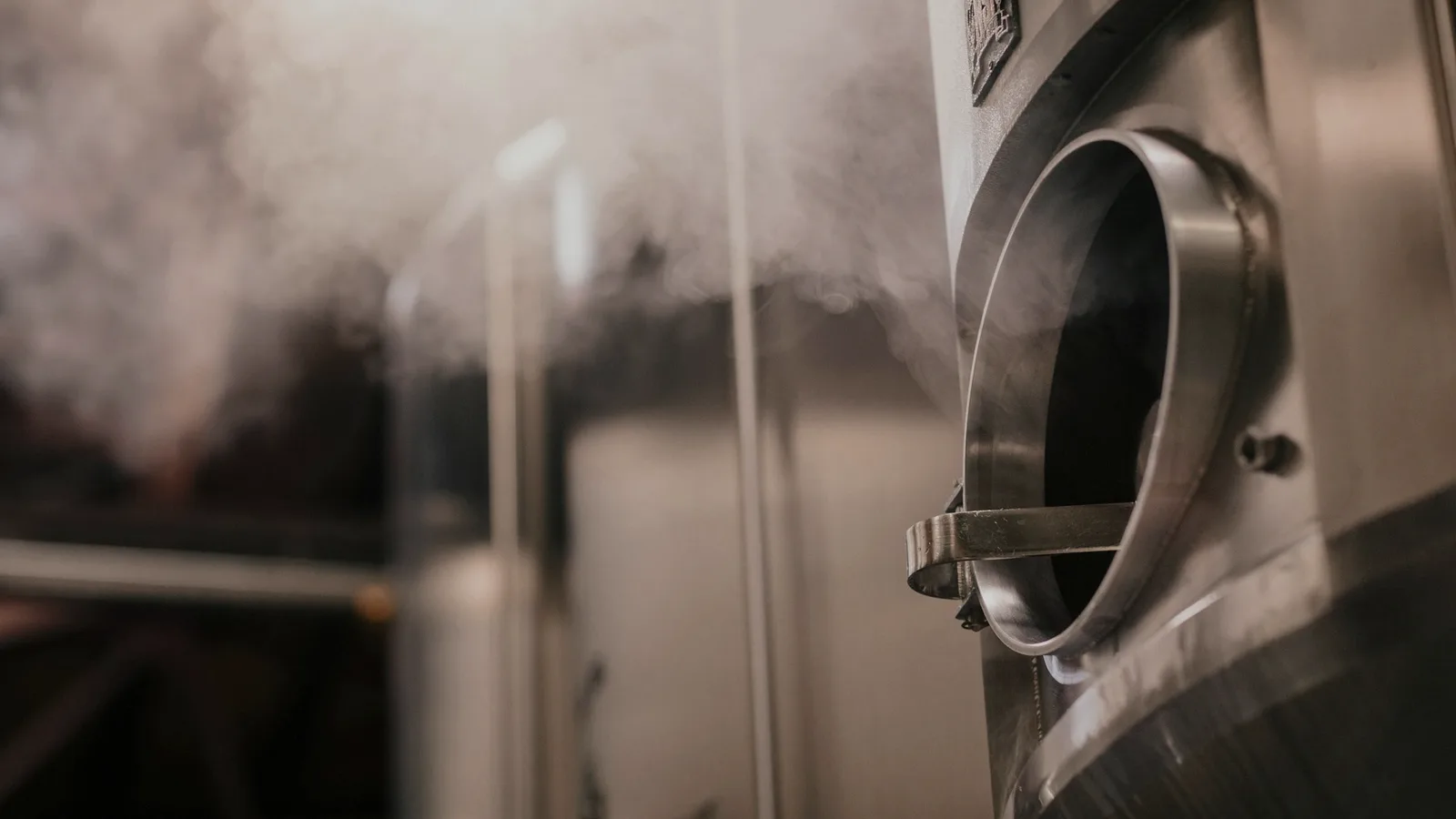
Process steam from an oil boiler
Herkkumaa has made pickles, canned vegetables, jams and sauces since 1987. At its Hämeenlinna plant, steam heats cooking kettles and is used for heat treatment and sterilisation. As the company puts it, “Steam is critical in food production, as the entire process depends on it.”
To make that steam, the plant burned about 264,000 litres of light fuel oil a year (2021 figure).
Making steam from stored electric heat
The new unit is a 10MWh thermal store made by the Finnish company Elstor. It turns electricity into heat and holds it, then uses that heat to make steam when the plant needs it.
The key is that the time electricity is used and the time steam is used can be separated. Because the heat can be stored, the unit charges during the cheaper hours of the day to cut costs. It can also take part in grid demand response programmes, adjusting when it charges to suit the grid.
Herkkumaa’s CEO says that “transitioning production to fossil-free energy sources reduces price volatility and eases pricing.”
The project in numbers
| Item | Detail |
|---|---|
| Location | Herkkumaa plant, Hämeenlinna, Finland |
| Storage capacity | 10MWh |
| Charging | Electricity (cheaper hours of the day) |
| Output | Process steam, up to 3,000MWh a year (per the case study) |
| Fuel replaced | About 264,000 litres of light fuel oil a year (2021 figure) |
| In operation | May 2023 |
| Early results | About 1,000MWh of steam and about 300 tonnes of CO₂e avoided in the first four months or so |
| Results | No emissions from process steam; annual energy costs about $140,000 lower (per the case study) |
| Contract | Energy-as-a-Service; Business Finland covered about a third of the investment |
The bottom line
Herkkumaa stores heat when electricity is cheap and uses it in place of steam once made from light fuel oil, cutting energy costs. An Energy-as-a-Service contract also kept the upfront investment down. Saving energy in a food factory can start not only with using less heat, but with changing when the heat is made.
GIGAette’s IsoTES® is a constant-temperature thermal energy storage system that can be charged from whichever source suits the plant: waste heat, renewable electricity or grid power.
If you would like to look at how your plant’s steam could be made, request a technical meeting.
Sources
- World’s first 10 MWh Elstor-unit now in action — Elstor / Herkkumaa (6 June 2023) — 10MWh unit in operation; steam for cooking kettles, heat treatment and sterilisation; charged during cheaper hours of the day; about 264,000 litres of light fuel oil used in 2021; CEO quote
- Case Study: Thermal Energy Storage at Herkkumaa Food Manufacturing Facility — Renewable Thermal Collaborative (13 June 2024) — up to 3,000MWh of steam a year; about $140,000 lower annual energy costs; Energy-as-a-Service contract; demand response participation
- Food manufacturer Herkkumaa is the first to switch to emission-free production — Elstor (July 2022) — canned food manufacturer and its products; “Steam is critical in food production”; Business Finland support of about a third of the investment
- Herkkumaa aims to become a wide selection food house — Korona Invest — founded 1987; Hämeenlinna plant
- The goal of achieving carbon-free steam production at Herkkumaa has been achieved — Elstor (2023) — commissioned May 2023; about 1,000MWh of steam produced by 27 September 2023; about 300 tonnes of CO₂e avoided in just over four months
- Cover photo: Elevate / Unsplash (colour-adjusted)