An ice rink is a very large refrigerator. Keeping a sheet frozen means continuously pulling heat out from under it, and that heat has to go somewhere. So the more ice you make, the hotter some part of the building gets.

Photo: Chris Liverani / Unsplash
Why does freezing water make heat?
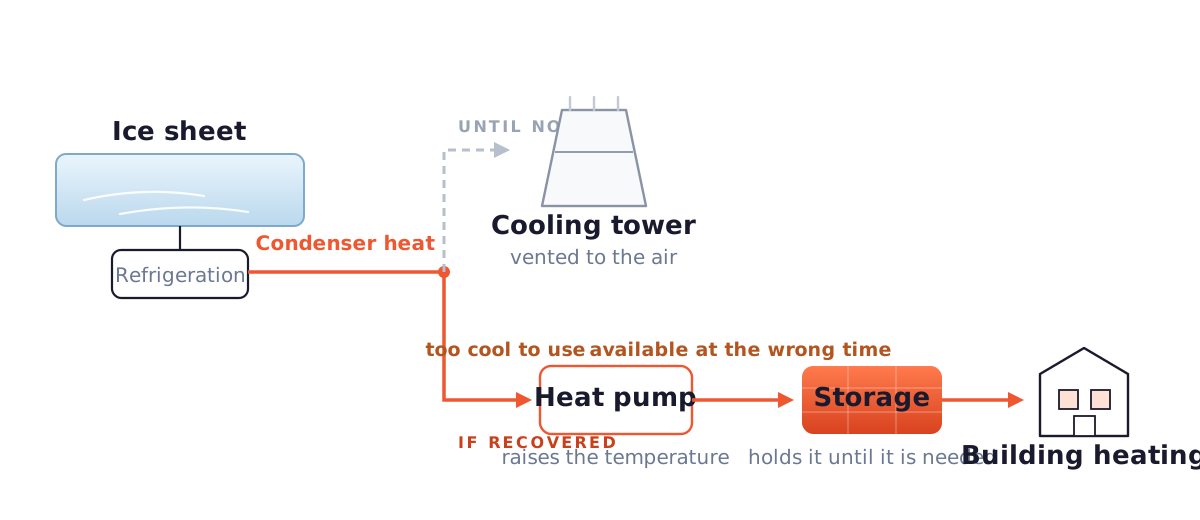
A refrigeration system does not destroy heat — it moves it. The inside of a refrigerator is cold precisely because the back is warm. In a rink, the heat drawn out by the cooling pipes beneath the ice does not disappear; it is pushed out at the condenser.
The question is where that waste heat goes from there. For decades the answer was a cooling tower on the roof: energy is spent pulling the heat out, and the heat that comes off in the process is then vented to the air.
What the Finnish study calculated
A 2023 study of a Finnish ice hall put numbers to that heat, modelling a system that recovers it from three separate sources.
| Source | Where it comes from |
|---|---|
| Refrigeration | Condenser heat from the plant that freezes the sheet |
| Grey water | Warm water discharged from showers and washing |
| Dehumidification | Condensing heat from removing indoor humidity |
The result: recovery could replace up to 99% of purchased district heat. There is a condition attached, though. Lifting that heat to a useful temperature means running heat pumps, which raises purchased electricity costs by around 9%.
One more thing to read carefully. This is a simulation, not a measured installation. It shows potential, not track record.
Having the heat is not the same as using it
The condition matters more than the headline number. Heat being present does not make it heating.
The first problem is temperature. Heat leaving a refrigeration plant is usually below what a heating system needs, which is why the study pairs recovery with heat pumps to lift it.
The second problem is timing. Heat comes off steadily as long as the ice is maintained, while heating demand rises and falls by hour and by season. That is why the study includes thermal storage.
Heat pumps close the temperature gap; storage closes the time gap. Recovered heat only becomes useful once it can be held and released when it is actually wanted.
Not just ice rinks
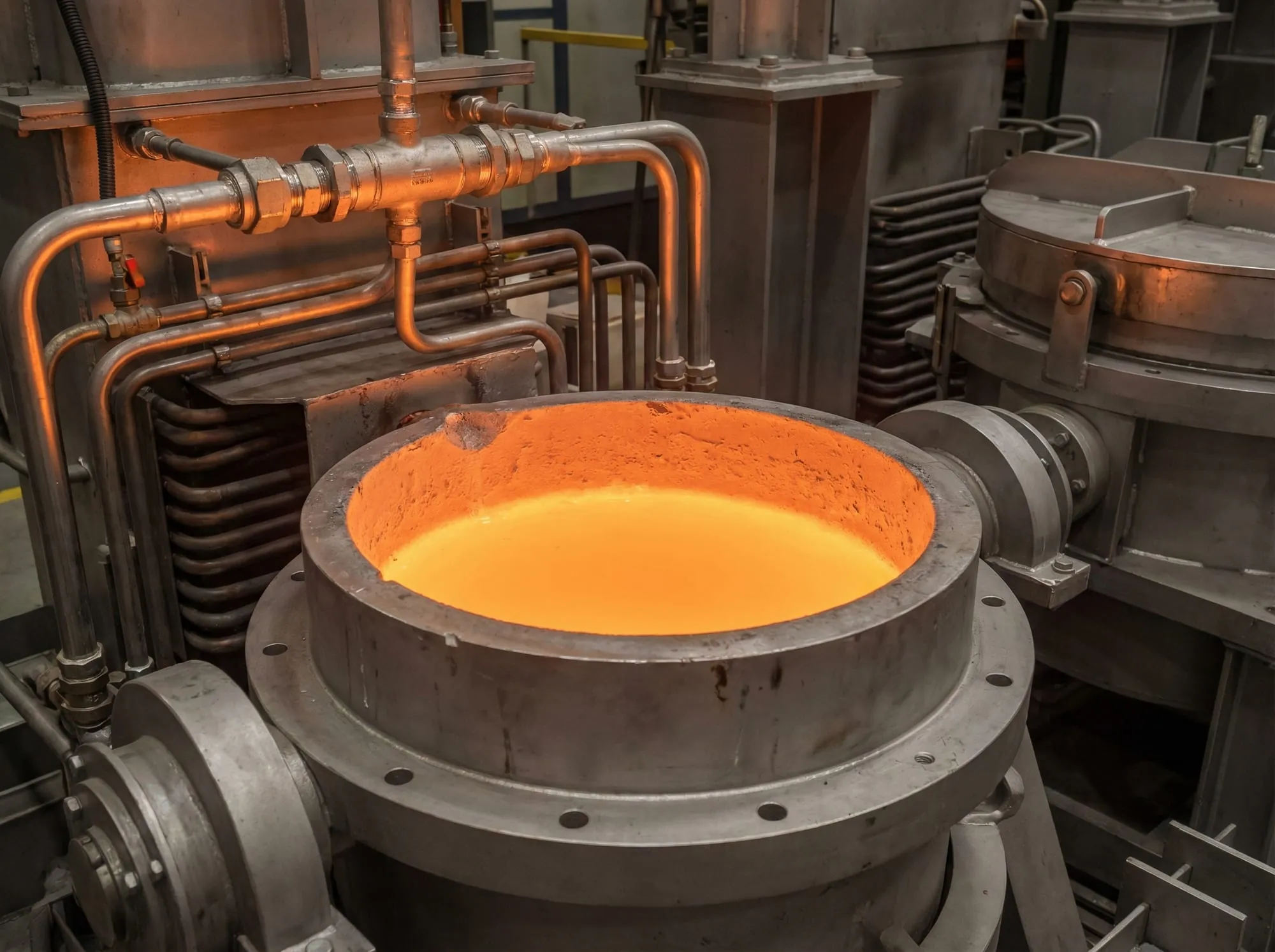
The same structure exists wherever something is being cooled. Data centres, cold storage warehouses, and industrial refrigeration all pull heat out continuously and then throw it away — heat sources sitting in the middle of cities.
For the wider picture of how much industrial heat is discarded, see:
The bottom line
What the rink case really shows is not the quantity of waste heat but the conditions on it. The heat is already there; the question is whether it can be delivered at the temperature and the moment it is needed.
GIGAette’s IsoTES® is aimed at that gap: a constant-temperature storage system that holds a steady output temperature throughout discharge, so heat arrives on the terms a process or a building actually requires.
If you would like to look at what your own site is discarding and what could be done with it, request a technical meeting.
Sources
- Yuan, X., Lindroos, L., Jokisalo, J., Kosonen, R., Yang, B., Tian, Z. (2023), “Various waste heat recoveries and potential energy savings in an ice hall in Finland”, Building Simulation 2023: 18th Conference of IBPSA — recovery replacing up to 99% of purchased district heat, with roughly 9% higher purchased electricity cost (simulation-based)