Making aluminium is mostly a matter of using electricity. Part of that electricity leaves the plant not as product but as heat. A smelter in Essen, Germany, has started sending that heat into the city.
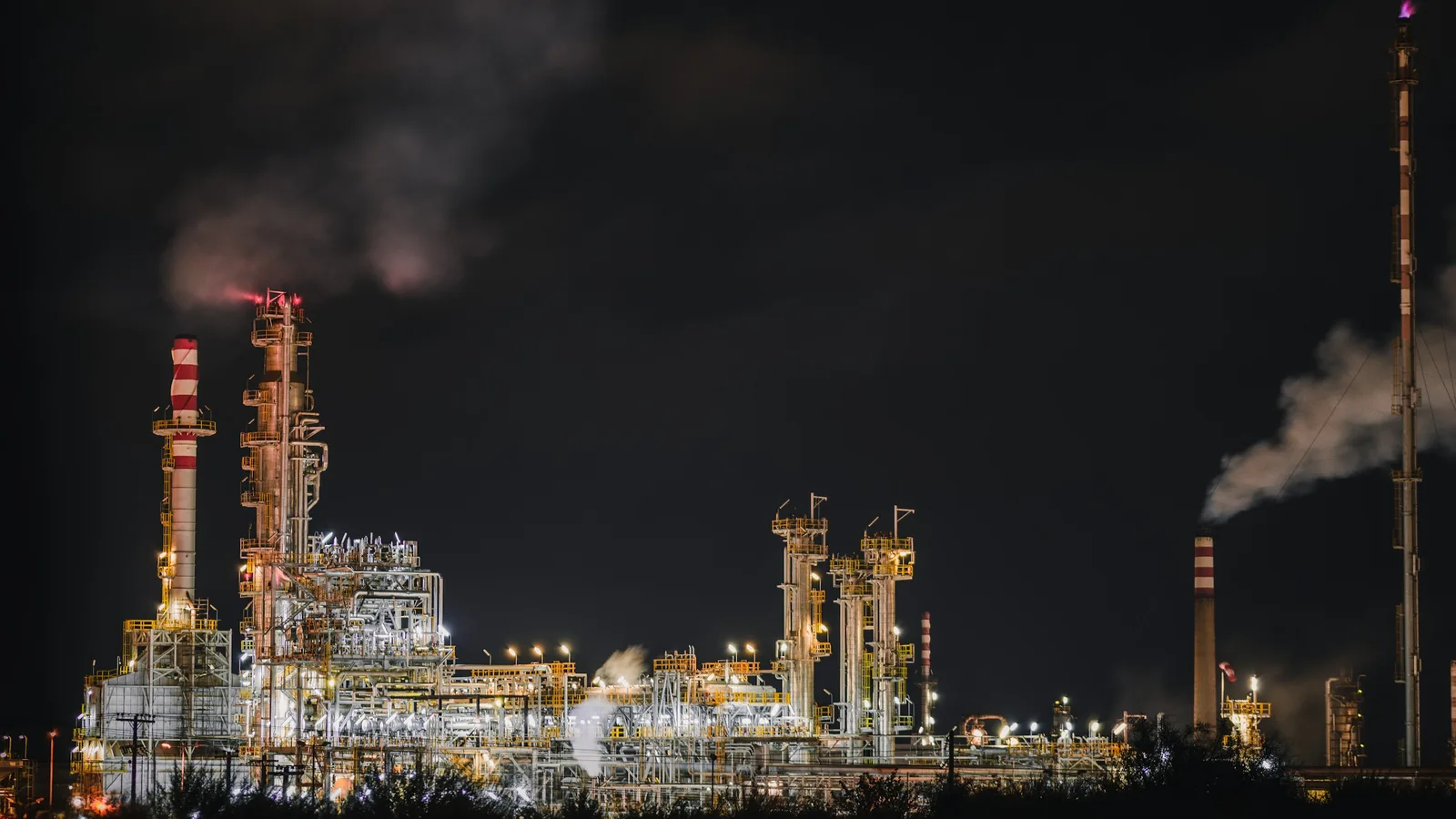
Photo: Tasos Mansour / Unsplash
Making aluminium leaves heat behind
Aluminium is produced by electrolysis. A large current runs through the pots to split alumina into aluminium and oxygen, and some of that electricity inevitably becomes heat. It is heat no amount of process tuning removes, which is why the German releases call it unavoidable waste heat (unvermeidbare Abwärme).
Until now smelters have largely released it to the air. Energy was never spent to create that heat — yet more equipment and power went into getting rid of it.
Captured as 130°C water
TRIMET Aluminium SE and the energy company Iqony Fernwärme decided to route it into the heating network instead. The method is straightforward.
Four fan stations drive the heat from the pots through a tube bundle, and the water inside is raised to about 130°C. That hot water is tied into Iqony’s district heating network through a 700-metre connection.
Temperature is what makes this work. At 130°C the water is already at a level the network can take, so no extra equipment is needed to lift it. Waste heat recovery does not usually resolve this neatly.
The project in numbers
| Item | Value |
|---|---|
| Annual supply | around 31,000MWh |
| Equivalent demand | more than 5,500 households (calculated) |
| Cities served | Essen · Bottrop · Gelsenkirchen |
| Connection pipeline | around 700m |
| Investment | TRIMET around €6m · Iqony over €2m |
| Contract term | 20 years |
| Supply began | 3 February 2026 |
The household figure is a calculated equivalent. It does not mean 5,500 specific homes run on this heat; it expresses the scale of heat entering the network in household terms.
What made this possible
Waste heat does not always end up this way. Two things were already in place.
First, the temperature was usable as it was. Water at 130°C is what a district heating network takes directly. Where waste heat is cooler, a heat pump has to lift it, and that costs additional electricity.
Second, the plant had already been rebuilt to run flexibly. TRIMET had converted aluminium production to adjust to the fluctuating output of wind and solar generation, and the German releases credit that conversion with making this waste heat use possible.
Timing is the part that remains
The plant and the city keep different clocks.
A smelter releases heat at a near-constant rate, 24 hours a day. Heating demand, by contrast, peaks morning and evening, swings with the season, and nearly disappears in midsummer. Supply is flat; demand is not.
Pipework cannot close that gap. Recovered heat is only fully used if it can be held through the hours when there is a surplus and released when there is a shortfall.
Putting waste heat to work comes down to matching temperature and timing. Essen is a case where the temperature happened to line up; storage is what answers the other half of the problem.
GIGAette’s IsoTES® is aimed at exactly that: a constant-temperature storage system that holds a steady output temperature throughout discharge, so heat arrives on the terms a process or a heating network actually requires.
For the wider picture of how much industrial heat is discarded, see:
For a case where the heat was too cool and needed a heat pump, see the ice rink example:

If you would like to look at what temperature your own plant’s heat comes off at, and when, request a technical meeting.
Sources
- TRIMET speist Abwärme ins Fernwärmenetz der Iqony ein — TRIMET Aluminium SE (3 Feb 2026) — start of supply, 31,000MWh a year, more than 5,500 households on a calculated basis, four fan stations and about 130°C, and the flexible-operation conversion that made it possible
- Waste heat from aluminum smelter TRIMET to benefit Iqony’s district heating supply — TRIMET Aluminium SE — 700m connection, TRIMET around €6m and Iqony over €2m invested, 20-year term, Essen, Bottrop and Gelsenkirchen