CBAM is no longer something to prepare for. The definitive regime began on 1 January 2026, and the first year of it is already more than half over.
That said, “in force” does not mean “buy certificates now”. The obligations are staged, so it is worth separating what has already started from what is still ahead.
What the mechanism actually does
The EU puts a carbon cost on its own producers through the Emissions Trading System. That creates an opening: goods made cheaply under looser rules elsewhere undercut EU producers, and production drifts to where the rules are weakest. This is carbon leakage.
CBAM closes that opening. Imports carry a cost matching the emissions embedded in their production, so a product bears the same carbon cost whether it is made inside the EU or brought in.
Six covered goods
The mechanism covers six carbon-intensive categories.
| Goods | Under-50-tonne exemption |
|---|---|
| Iron and steel | Applies |
| Aluminium | Applies |
| Cement | Applies |
| Fertilisers | Applies |
| Hydrogen | No exemption |
| Electricity | No exemption |
Iron, steel and aluminium matter most to Korean exporters. And the detail that is easy to miss: the small-volume exemption does not extend to hydrogen or electricity.
Where things stand now
The regime is in force, but certificate trading has not begun. The staging looks like this.
| When | What happens |
|---|---|
| 1 January 2026 | Definitive regime begins. EU importers (or their indirect customs representatives) bringing in more than 50 tonnes a year need authorised CBAM declarant status |
| February 2027 | Certificate purchases open |
| 30 September 2027 | First declaration and surrender, covering 2026 imports |
The transitional period (2023–2025) centred on reporting emissions. From 2026 the definitive regime is running, and with it the machinery for buying and surrendering certificates. The first declaration and surrender for 2026 imports, though, is not due until 30 September 2027.
One point causes recurring confusion: the deadline. Unlike the quarterly reports of the transitional period, the annual declaration under the definitive regime is due 30 September each year.
What non-EU exporters actually have to do
The CBAM obligation sits with the EU importer. A Korean producer does not file with EU authorities.
But the importer cannot file without emissions data for the goods, and that data comes from the producer. Where figures are not supplied, default values apply — and defaults are generally set unfavourably. That is why calculating emissions and providing the numbers becomes a condition of the trade even without a filing duty.
The cost tracks the carbon
CBAM cost is proportional to the carbon embedded in a product. Put the other way round: cut the carbon and the cost falls with it. Absorbing the cost of certificates and reducing how many you need are two different strategies.
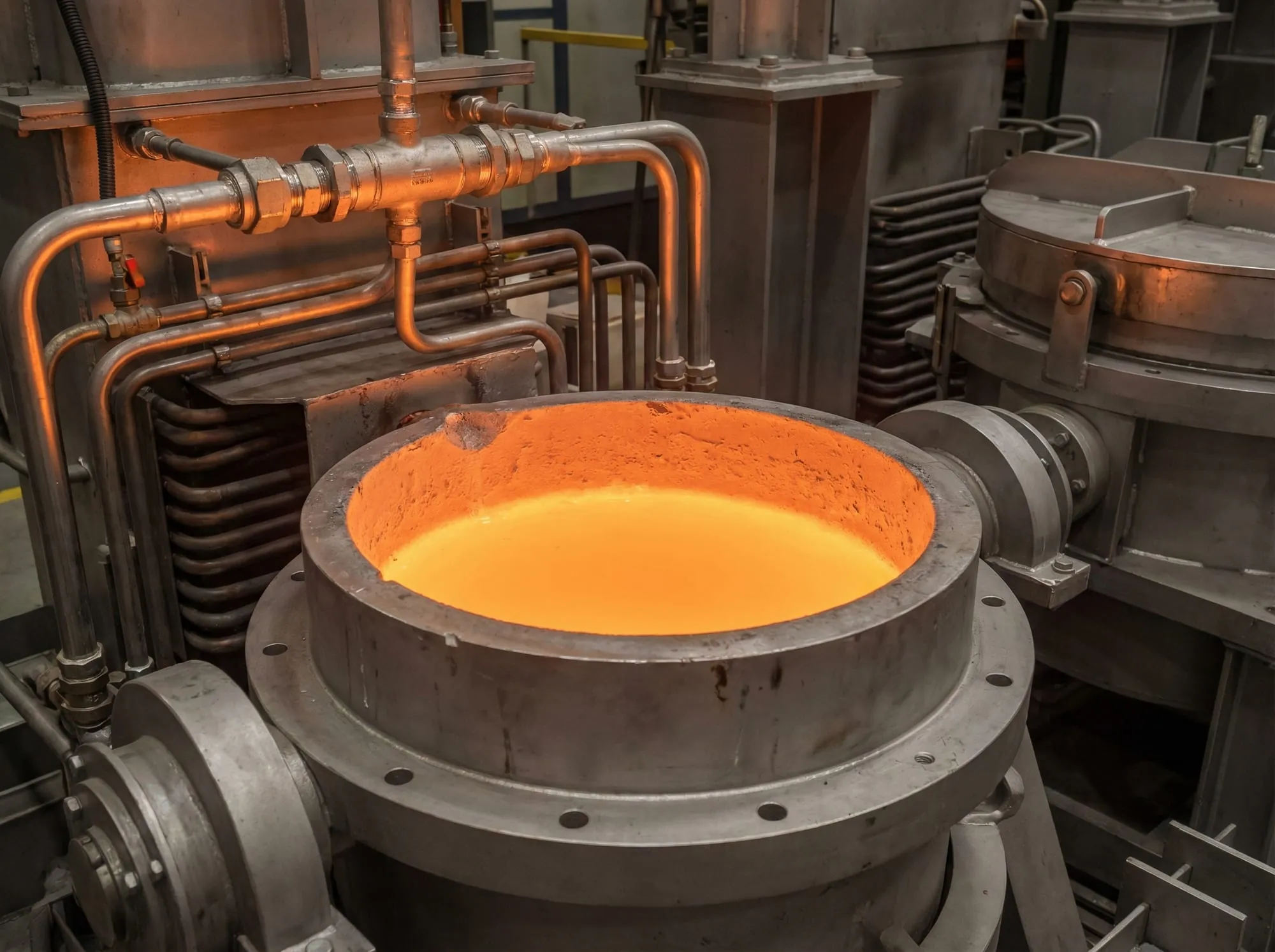
Cutting a manufacturer’s emissions means changing process heat, one of the largest sources. Replace fuel-fired heat with renewable electricity or recovered waste heat, and the carbon embedded in the product drops accordingly.
The substantive answer to CBAM is not how many certificates to buy but how much carbon the product carries — and in manufacturing, process heat is one of the places that answer is found.
GIGAette’s IsoTES® is built for that: a constant-temperature storage system that takes heat made from renewable electricity or recovered waste heat, holds it, and releases it at a steady temperature the process can use.
For how much energy industrial process heat actually discards, see:
If you would like to look at where your own emissions could come down first, request a technical meeting.
Sources
- CBAM definitive regime — European Commission, Taxation and Customs Union — EU importers, or their indirect customs representatives, importing more than 50 tonnes must become authorised CBAM declarants; the six covered goods; how certificate prices are set
- CBAM definitive regime from 2026 — Deutsche Emissionshandelsstelle (DEHSt) — 30 September annual deadline, first declaration for 2026 imports due 30 September 2027, certificate purchases from February 2027, hydrogen and electricity excluded from the 50-tonne threshold, and the quarterly 50% holding requirement from 2027